
Understanding the psychology behind gambling Why we take risks
Understanding the psychology behind gambling Why we take risks
The Allure of Risk-Taking
Gambling has an inherent appeal that draws people in, primarily due to the thrill of taking risks. The excitement that accompanies uncertainty can be exhilarating, as it creates a heightened emotional state. This rush often triggers the release of dopamine, a neurotransmitter associated with pleasure and reward, leading individuals to seek out more opportunities to gamble. This chemical response is a key factor in why people are often willing to put their money on the line, even when the odds may not favor them. To get started, you can quickly Senseizino register and experience the excitement firsthand.
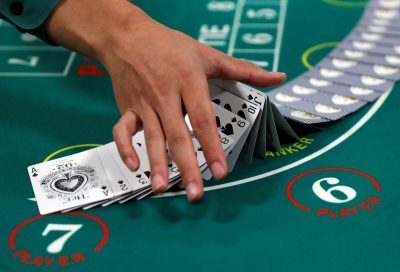
Moreover, many individuals engage in gambling to escape everyday stressors. The thrill of risk-taking provides a temporary distraction from reality, allowing players to immerse themselves in a world of excitement and unpredictability. This escapism can serve as a coping mechanism, where the thrill of the gamble overshadows the potential losses. It is not uncommon for players to believe that they can regain control of their situation through continued play, further reinforcing their engagement with the activity.
The environment in which gambling occurs also plays a significant role in its psychological appeal. Whether in a bustling casino or an online gaming platform, the ambiance is often designed to amplify excitement. The flashing lights, sounds of coins clinking, and the visual appeal of various games work together to create an immersive experience. This sensory stimulation can heighten arousal levels, making it more likely for individuals to take risks without fully considering the consequences.
Cognitive Biases and Decision Making
Cognitive biases significantly influence decision-making in gambling scenarios. One of the most prevalent biases is the illusion of control, where individuals believe they can influence the outcome of a game based on their skill or intuition. This misconception leads many to engage in behaviors that are statistically unfounded, such as playing specific numbers or strategies in games like roulette or slots. Such biases can perpetuate a cycle of gambling behavior, as players often attribute wins to their skill rather than chance.
The gambler’s fallacy also plays a crucial role in how individuals perceive risk. This cognitive bias leads players to believe that past outcomes affect future ones in games of chance. For example, if a particular number hasn’t come up in a while, a player might feel compelled to bet on it, convinced that it is “due” for a win. This misjudgment can lead to increased betting and a greater willingness to take risks, despite the reality that each spin or roll is independent of previous outcomes.
Additionally, individuals may experience overconfidence after experiencing a win. This inflated sense of self-efficacy can encourage further risk-taking, as winners may believe they have a “winning streak.” This psychological phenomenon can lead to reckless behavior, where individuals chase losses or increase their bets in hopes of duplicating their previous successes. Such biases create a complex interplay of emotions and thoughts that can drive individuals to gamble more than they might otherwise consider.
The Role of Social Influence
Social factors can significantly influence an individual’s decision to gamble. Peer pressure is a compelling force, particularly among young adults, where the desire to fit in can lead individuals to engage in risky behaviors, including gambling. The normalization of gambling through social interactions, whether in casual settings or dedicated gaming environments, can foster an attitude that minimizes the perceived risks associated with gambling. This social reinforcement can lead to a culture where taking risks is celebrated rather than cautioned against.
Moreover, the rise of social gambling and online gaming platforms has made gambling more accessible than ever. Individuals can now engage in gambling activities from the comfort of their homes, often with friends or family. This social aspect can intensify the appeal of gambling, as individuals may feel a sense of camaraderie and shared experience while betting. The social context can create an environment where individuals are more inclined to take risks, often overlooking the potential financial implications.
The role of influencers and celebrities in promoting gambling also cannot be overlooked. Many are seen endorsing online gaming platforms or showcasing their gambling experiences on social media. This glamorization can lead to a skewed perception of gambling, as audiences may equate it with lifestyle success or excitement. As people seek to emulate these figures, they may become more willing to engage in risky behavior, believing that it can lead to similar rewards or recognition.
Understanding Addiction and Compulsion
For some, gambling can evolve from a recreational activity to a compulsive behavior. The cycle of risk-taking can become a source of addiction, characterized by an inability to control gambling behavior despite negative consequences. Factors such as genetics, environmental influences, and psychological predispositions can contribute to this transition. Understanding these factors is essential for addressing gambling addiction and providing effective support for those affected.
The thrill of risk can become a powerful motivator for compulsive gamblers. The initial excitement associated with winning can create a feedback loop, where individuals continue to gamble in pursuit of that high. Over time, this behavior can lead to increasing amounts of time and money spent on gambling, often at the expense of personal relationships and financial stability. The emotional toll can be profound, leading to feelings of shame, guilt, and depression.
Recognizing the signs of gambling addiction is crucial for intervention and recovery. Support systems, including counseling and support groups, can provide the necessary resources for individuals struggling with compulsive behavior. Education about responsible gambling practices can help mitigate the risks associated with gambling, encouraging individuals to recognize their limits and seek help when needed.

Exploring Senseizino: A Safe Gaming Environment
At Senseizino, we prioritize the well-being of our users, creating a safe environment for online gaming enthusiasts. Our platform is designed with robust data protection and secure payment options, ensuring that players can enjoy their gaming experiences without the stress of security concerns. We offer a wide range of games that cater to different preferences, allowing players to explore various gaming styles while maintaining a sense of control over their choices.
We understand the psychological aspects of gambling, which is why we emphasize responsible gaming practices. New users can benefit from our generous welcome bonus, designed to enhance their experience without promoting excessive risk-taking. Our platform provides tools for managing gaming habits, including deposit limits and self-exclusion options, empowering players to engage with our services safely and responsibly.
With 24/7 customer support, Senseizino is committed to providing an enjoyable and secure gaming journey. We invite players to explore our extensive selection of games while being mindful of their gambling behavior. Join us today to discover a world of exciting opportunities that prioritize your safety and enjoyment.